The Postgraduate Department of History was established in 2015. Earlier, an M.A. Human Rights programme, sponsored by the UGC, was introduced in 2007 and was subsequently converted into M.A. History programme in 2015. To further strengthen its academic profile, the department introduced a Certificate Programme in Concepts in Human Rights in 2013 and a Certificate Programme in Museology in 2017. To cater to local, regional, national, and global needs, the curriculum is regularly reviewed, restructured, and updated to meet the changing academic and professional requirements of students. Vision:
Towards Responsible Citizenship
Seeks to build its students transferable skills, employability and intellectual curiosity.
Mission:
Right mode of Living through moral and ethical values
Promoting Research Attitude through filed visits and projects and to analyze conflicting information
Moulding students for effective leadership in the political, social and economic community though historical knowledge in regional and global level
Facilitating analytical skills through the study of societies, culture and economies
A candidate seeking admission to the M.A. History programme must have passed a three-year Bachelor's Degree in any discipline from a recognized university or an institution recognized as equivalent by the University. For admission to the postgraduate programme, the marks obtained in Part III (Major and Allied Subjects) of the qualifying examination alone shall be taken into consideration.
PLOs -PSOs- PEOs
Programme Educational Objectives (PEOs):
PEOs are broad statements that describe the career and professional achievements that the programme is preparing the graduates to achieve within the first few years after graduation. PEOs should be consistent with the mission of the Institution. PEO’s can be measured by a PLO/ PSO - PEO matrix. The PEO’s should evolve through constant feedback from alumnae, students, industry, management etc. It is mandatory that each PEO should be mapped to atleast one of the PLOs.
The Graduates will be prepared to PEO1: acquire the knowledge to pursue higher studies in the domain and other allied
disciplines. PEO2: apply their acquired skills in various issues with a critical and analytical mind for
viable solutions. PEO3: create a sense of democratic civil society. Programme Learning Outcomes (PLO):
Programme Learning Outcomes are narrower statements that describe what students are expected to know and be able to do upon the graduation. These relate to the skills, knowledge and behaviour that students acquire in their study through the programmes. PLO1: Disciplinary knowledge
Apply the knowledge of Arts, Science and Humanities to address fundamental and complex questions appropriate to their programmes.
PLO2: Critical thinking, Problem solving and Analytical reasoning
Make use of appropriate knowledge and skills to identify, formulate, analyze and solve problems in order to reach substantiated conclusions.
PLO3: Research related skills and scientific reasoning
Critically analyze research processes, products and practices with a view of strategic use of data in their field.
PLO4: Communication skills and Digital literacy
Demonstrate skills in oral and written communication and make use of ICT in various learning ambience.
PLO5: Team work and Leadership quality
Interact productively with people from diverse backgrounds as both leaders/mentors and team members with integrity and professionalism.
PLO6: Multicultural competence with Moral and ethical awareness
Defend the society against gender and environmental issues with moral and ethical awareness.
PLO7: Self-directed and Life-long learning
Formulate their own educational needs in a changing world in ways sufficient to maintain their competence and to allow them to contribute to the advancement of knowledge.
Programme Specific Outcomes (PSO):
Programme Specific Outcomes denote what the students should be able to do in their discipline at the time of graduation. They are programme specific. The PSOs should be mapped to all the specified PEOs.
By the completion of the M.A. History programme, the learners will be able to PSO1: interpret the past and existing social, political, religious and economic conditions of the people. PSO2: analyze and synthesize data from a variety of sources and draw valid conclusions. PSO3: promote harmony and spirit of common brotherhood, appreciate the multiple perspectives and respect human values.
Faculty Details
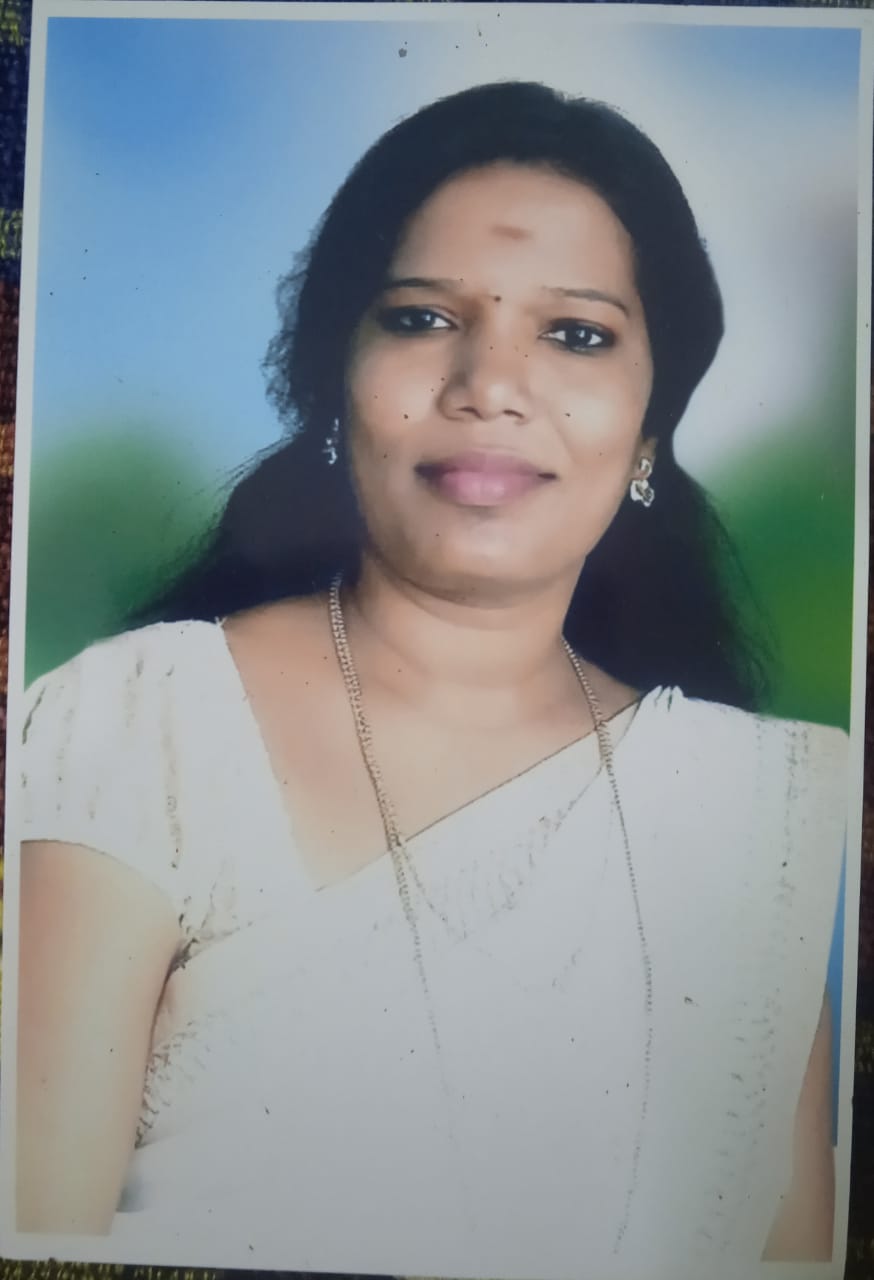
Dr.K.Neela Pushpam
M.A.,M.Phil.,Ph.D.,
Assistant Professor & Head
E-Mail neela-his@sfrcollege.edu.inArea of Specialization Modern HistoryVIDWAN Profile
Dr.R.Kalaivani
M.A., M.A., M.Phil., Ph.D., PGDCA
Assistant Professor
E-Mail kalaivani-his@sfrcollege.edu.inArea of Specialization Modern History, Women StudiesVIDWAN Profile
Contact Us
The Standard Fireworks Rajaratnam College For Women Thiruthangal Road , Sivakasi - 626123 , Tamil Nadu , India Telephone Number +91 4562-220389FAX Number +91 4562-226695Email ID sfrc@sfrcollege.edu.in